
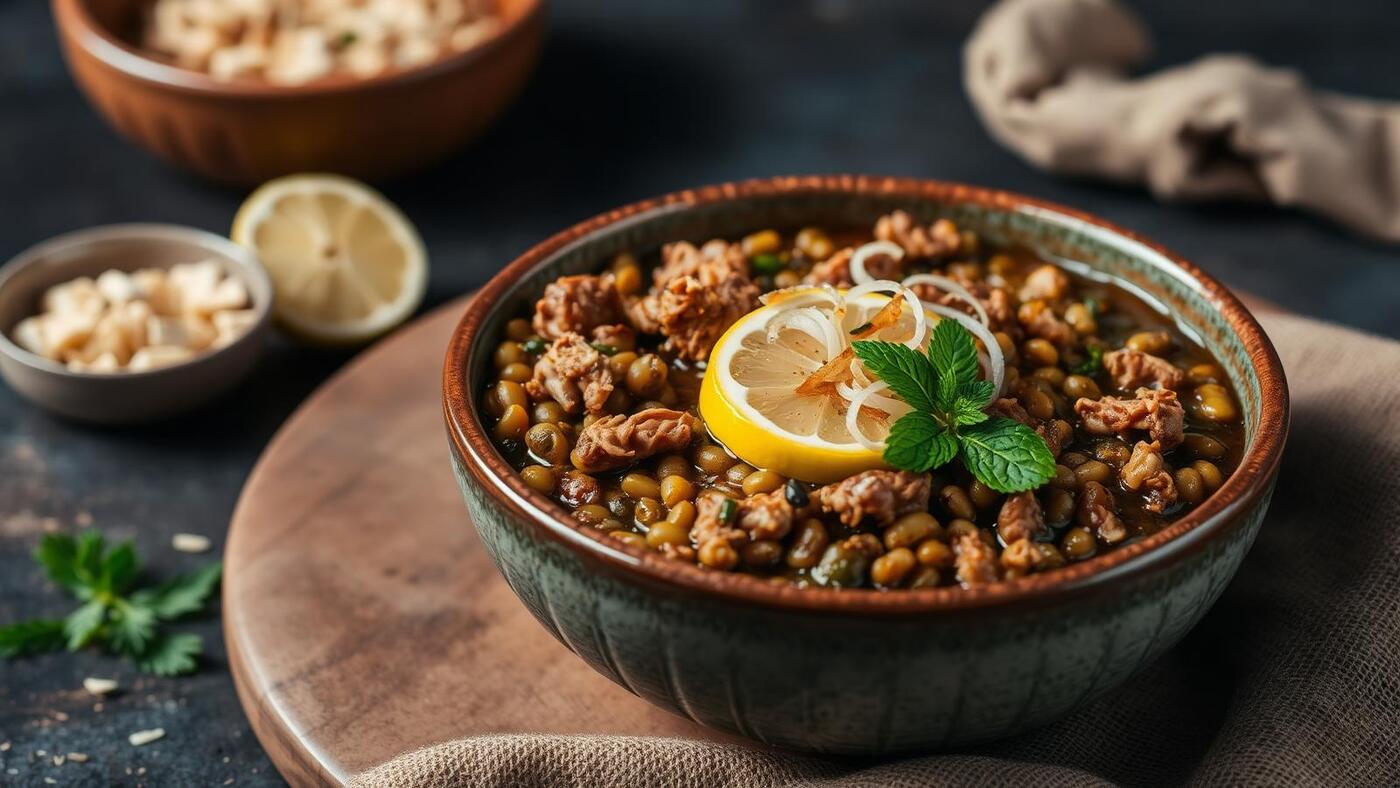
What makes haleem unique
Haleem combines meat, cracked wheat (dalia), barley and a mix of lentils — chana, masoor, moong — slow-cooked for hours and mashed into a thick, savoury porridge. Few dishes anywhere in the world bring this many protein sources into one pot. The grain-plus-pulse-plus-meat trio gives haleem a remarkably complete amino-acid profile.
The numbers
A 300 g serving of homemade beef haleem:
| Nutrient | Amount |
|---|---|
| Calories | 380–450 kcal |
| Protein | 26–32 g |
| Carbs | 30–38 g |
| Fat | 14–20 g |
| Fibre | 7–10 g |
| Iron | 4–6 mg |
Restaurant haleem is closer to 500–650 kcal because of extra ghee on top.
Why it's so filling
The combination of soluble fibre (from lentils and barley), protein (from meat and pulses) and slowly digested carbohydrates means haleem keeps you full longer than almost any other Pakistani main. That's why it became a Ramadan staple — one bowl genuinely carries you through tarawih.
Healthier haleem habits
- Measure the top ghee — a teaspoon, not a ladle.
- Use lean cuts — beef shank gives flavour without excessive fat.
- Skip the extra fried onions if the bowl already has them.
- Eat with kachumber salad and yogurt, not naan, to keep the calorie load reasonable.
Pair it with the rest of your meal plan
Haleem fits cleanly into the Ramadan meal planning guide and works as a protein-rich option in our protein targets for South Asians framework. For other slow-cooked staples, see nihari. Build your own portion in the nutrition calculator.
Putting it all together
Haleem is one of the rare Pakistani dishes that single-handedly delivers protein, fibre and complex carbs in roughly the proportions a nutritionist would design. Watch the finishing ghee, eat it slowly, and enjoy it.