
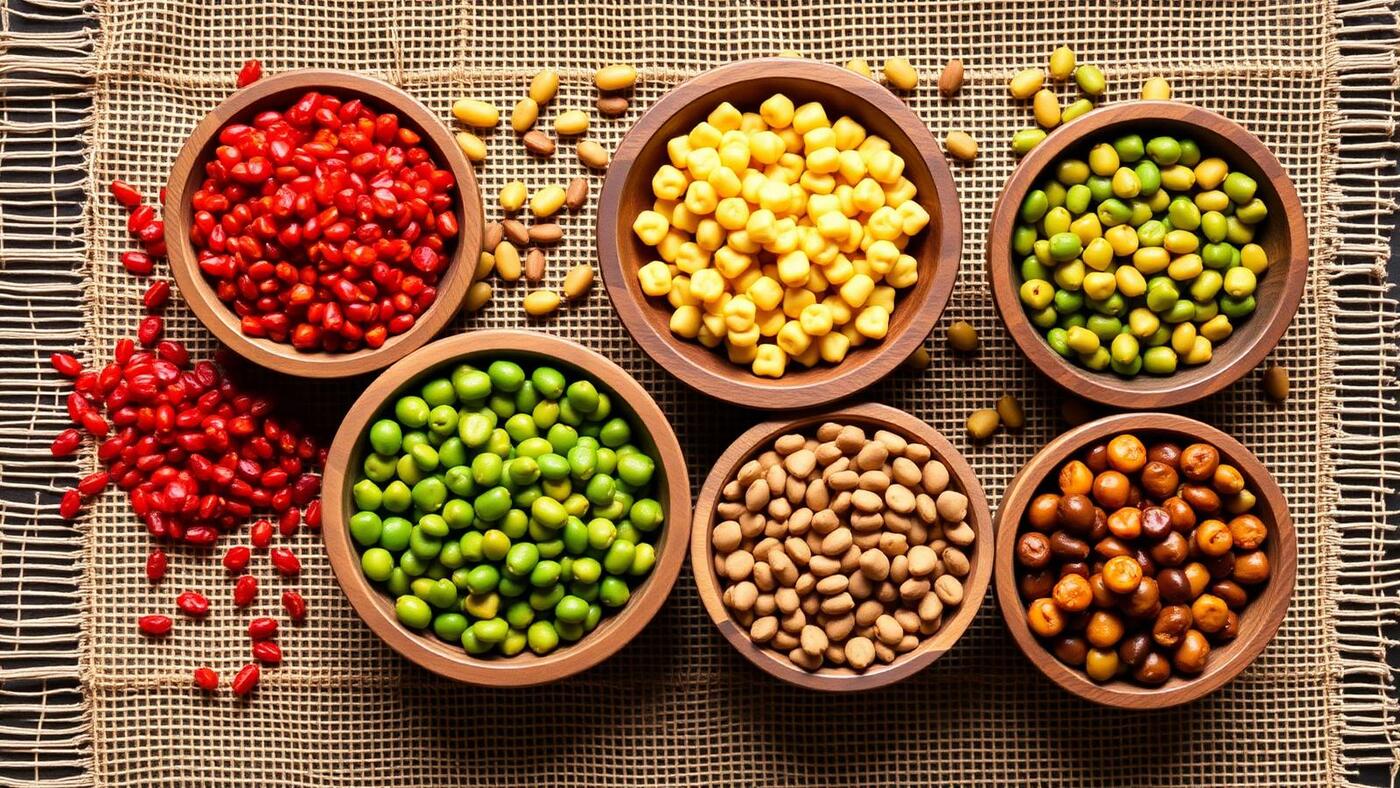
The lineup
- Masoor (red lentil) — fastest cook (~20 min), softest
- Moong (mung) — easy to digest, mild
- Chana dal (split chickpea) — sweet, holds texture, longer cook
- Toor / arhar — common in tadka dal
- Urad (black lentil) — used in dal makhani
- Rajma (kidney bean) — needs overnight soak
Why lentils punch above their weight
100 g raw masoor gives:
- Protein: 25 g
- Fibre: 11 g
- Iron: 7 mg
- Folate: 70 % daily value
- Cost: less than meat by a wide margin
Per cooked cup (~200 g), you typically get 18 g protein and 8 g fibre — see Harvard's lentils nutrition overview.
Iron absorption — the lemon trick
Lentils contain non-heme iron, which the body absorbs less efficiently than the heme iron in meat. The fix is simple: pair with vitamin C. A squeeze of lemon over dal, fresh tomato in chana masala, or a side of kachumber salad can double iron absorption from the same plate. The NIH iron fact sheet covers the mechanism.
Cooking notes
- Soak chana dal and rajma for 4–8 hours — cuts cook time and improves digestibility
- Skim the foam during the first boil — removes some compounds linked to bloating
- Add tadka at the end — preserves the volatile aroma compounds in cumin and chilli
- Salt last — added too early, salt can toughen the skins
Build the rest of your week around dal
- Daal chawal for the canonical balanced meal
- Chana chaat for evening snack
- Protein targets for South Asians for daily planning
- Nutrition calculator to model specific portions
Putting it all together
Lentils are the most efficient food on the desi table — protein, fibre, iron, folate, all for pocket change. Keep at least two dals stocked at all times and rotate them through the week.