
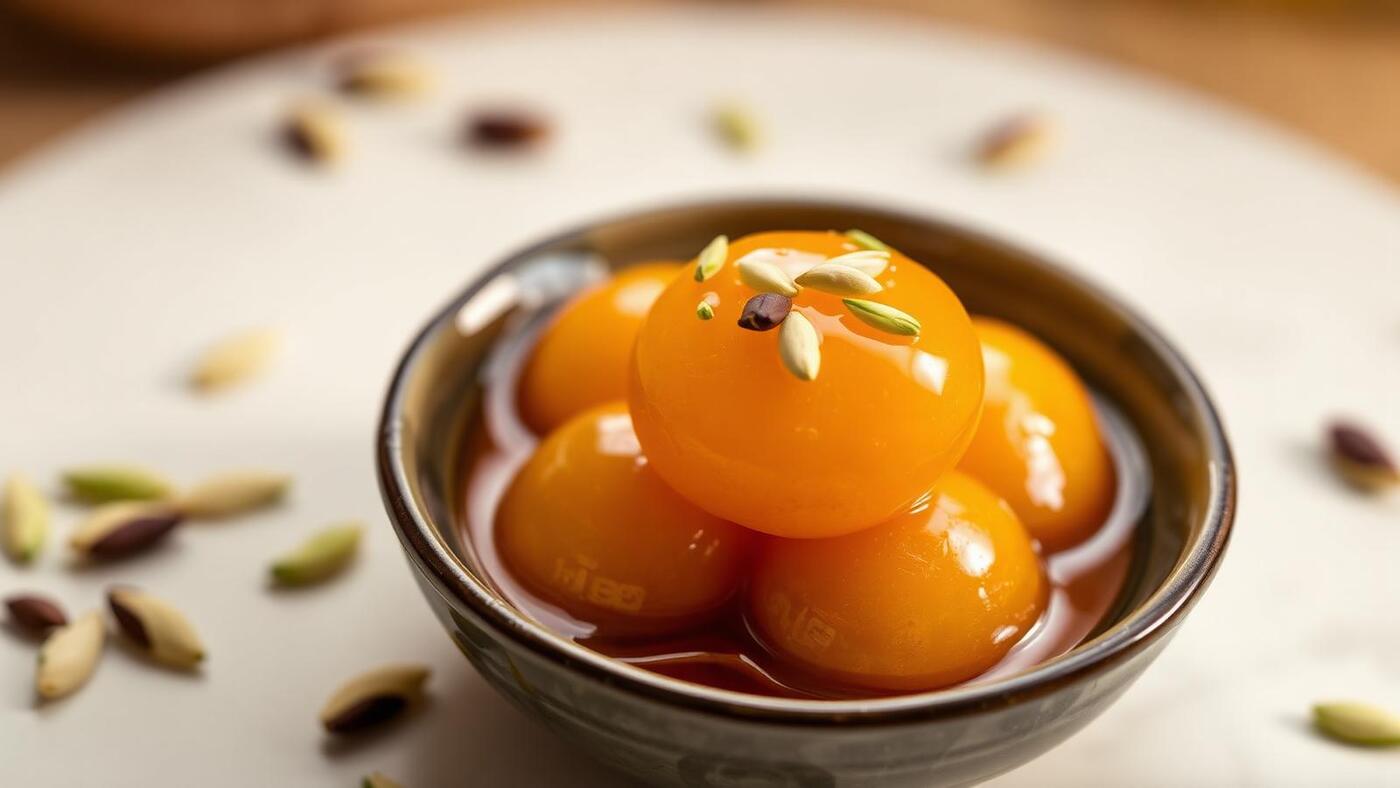
The honest numbers
| Sweet (1 piece) | Calories | Sugar |
|---|---|---|
| Gulab jamun | 140–160 kcal | 17–20 g |
| Barfi (50 g) | 180–220 kcal | 22–28 g |
| Jalebi (40 g) | 150–180 kcal | 22–26 g |
| Rasgulla | 110–130 kcal | 15–18 g |
| Ladoo (40 g) | 170–200 kcal | 20–24 g |
| Kheer (100 g) | 150–180 kcal | 18–22 g |
The WHO recommends free sugars stay under 10 % of daily calories — roughly 50 g a day for an adult. Two gulab jamun alone hit 35–40 g.
What "moderation" actually means here
- One piece after a meal, a few times a week — fine for almost everyone.
- Eat the sweet after protein and fibre, not on an empty stomach.
- Skip the sugary drink that would otherwise come with it.
- Walk afterwards — 15 minutes of light walking blunts the blood-sugar spike.
For diabetic-friendly approaches, see diabetes-friendly Pakistani meals.
A healthier home version
- Use khoya made from low-fat milk
- Make smaller pieces (drops calories proportionally)
- Reduce the syrup soak time — less sugar absorbed
- Or just eat the kheer-style sweets, which carry less concentrated sugar
Plan a meal that ends with a piece of mithai in the nutrition calculator.
Putting it all together
You don't have to give up mithai to be healthy. You have to stop eating six at a time. One piece after Sunday lunch isn't a problem. The kitchen drawer with a daily handful is.